Mozzarella: The Art, Science, and Soul of Pasta Filata Cheese
Mozzarella represents far more than a cheese. It delivers a texture, a temperature, and a moment — a living expression of the pasta filata tradition. This method transforms simple curd into long, silky strands that create the stretch and softness people love. Although machines can shape it efficiently, hand‑formed versions often offer deeper flavor and a more emotional connection to centuries of craft.
This page explains what makes this cheese unique, why hand‑formed versions taste different, how temperature and brine influence flavor, and how our products continue the pasta filata traditions of Southern Italy.
What is Pasta Filata
Pasta filata is an Italian term that translates directly to “spun paste” or “stretched curd.”
It refers to a traditional cheesemaking technique where the curd is heated and stretched until the proteins align into long, elastic strands.
The Science Behind Stretchiness (The Pasta Filata Process)
The pasta filata method defines this cheese family. During this stage, the proteins in the curd link together and create long, elastic chains. When you heat and stretch the curd, these proteins align into strands that give the cheese its signature pull and melt. As a result, the process creates the texture people associate with high‑quality fresh cheese.
Ideal Stretching Temperature
Curd stretches best between 55°C and 75°C.
- Below 55°C, the curd resists stretching and requires too much force.
- Above 75°C, the heat drives off flavor compounds and weakens the protein structure.
Therefore, maintaining the correct temperature protects both texture and taste.
Common Mistakes When Stretching at Home
Many home cheesemakers struggle because they stretch the curd at the wrong temperature. In addition, some buy curd that are improperly made, stored and or transported, which can cause major issues. Finally most mozzarella is made with acid not cheese cultures which results in a bland flavor.
Machine‑Made vs Hand‑Formed Cheese
The forming method shapes the final product in dramatic ways. Although machines offer speed and consistency, hand‑forming introduces complexity and character.
Machine‑Formed
Machines typically scoop balls from a large mass of curd, much like scooping ice cream. This method creates a single, uniform mass with no internal layering. As a result, the texture remains consistent but lacks what had formed offers.
Hand‑Formed
Hand‑forming relies on skill and tradition. The cheesemaker stretches the curd into a long ribbon, folds it back onto itself repeatedly, and forms the ball between the thumb and index finger. Through this technique, multiple layers develop and trap fat and whey. When you bite into the cheese, these layers release flavor and create a warm, mouth‑coating richness that machine‑shaped versions cannot match. Moreover, serving it warm intensifies the experience and delivers a mouth teel and depth of flavor that is hard to describe.
Why Hand‑Formed Tastes Better expecialy when served fresh and still warm
Hand‑shaped cheese stands out because of:
- Layering
- Temperature
- Moisture retention
- Protein alignment
- A warm, mouth‑coating texture
Together, these qualities create a product with depth, aroma, and a uniquely satisfying feel. Ultimately, the method matters as much as the ingredients.
Fresh Cheese and the Role of Brine
Freshly stretched curd reaches its peak right after forming, when it feels warm, soft, and close to body temperature. Many people describe this moment as deeply comforting, perhaps because it echoes early sensory memories of warmth and nourishment. In contrast, chilled cheese behaves very differently.
What Happens in Cold Brine
Cold brine changes the cheese quickly. The proteins tighten, which pushes out fat and whey that carry flavor. Consequently, the texture becomes firmer, the mouth‑coating quality is non existant, and the taste becomes noticeably milder. This explains why brine‑packed versions rarely match the flavor of warm, freshly stretched cheese.
Our Pasta Filata Products
We design each product to honor tradition while solving real challenges for chefs and home cooks. Moreover, each item reflects our commitment to flavor, texture, and authenticity.
Most modern producers use acid for speed and convenience. However, acid‑set curd tastes like milk mixed with acid. We rely on cheese cultures, the traditional method, to create curd with real cheese flavor, depth, and character. In addition, this approach gives home cheesemakers a curd that stretches beautifully.
This 500g log solves several problems chefs face with brined balls:
- Fishing pieces out of brine
- Guessing how many remain
- Cutting uneven end pieces
- Storing large containers of liquid
- Shipping unnecessary brine
- Freezing cheese that doesn’t freeze well in liquid
Furthermore, the log slices cleanly, stores efficiently, and is avaible blast frozen.
We pull our Oaxaca by hand, just as cheesemakers do in Mexico. This method creates a single, continuous strand of cheese 1–2 cm thick and several meters long. You can cut it into snack‑sized pieces, shred it into threads, or stretch it into long strands for stracciatella or pizza. As a result, its stretch and flavor elevate it far above standard string cheese.
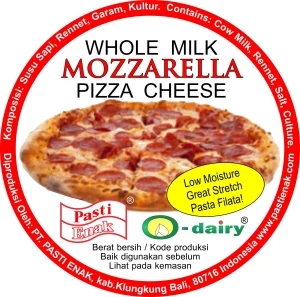
Great low‑moisture cheese should stretch well, brown evenly, and release just the right amount of oil. It must also stay low in moisture to prevent soggy pizza. Because this style exists specifically for pizza, we craft ours with both flavor and performance in mind.
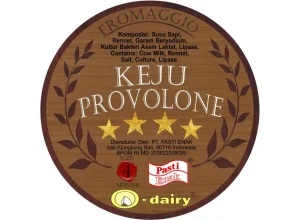
Provolone begins as stretched‑curd cheese. We age ours for 2–6 months and rub it with olive oil throughout the process. The olive oil protects the cheese and adds a subtle olive aroma. Consequently, the finished provolone offers depth, character, and a smooth finish.
Why This Cheese Matters
This cheese delivers more than flavor. It creates experiences. The warm burst of a hand‑formed ball, the balance of Fior di Latte with tomato and basil, the satisfaction of a pizza topped with cheese that actually tastes like cheese, and the simple joy of sharing string cheese with a child all show why this food matters. Ultimately, it connects craft, science, tradition, and memory in a way few foods can match.